
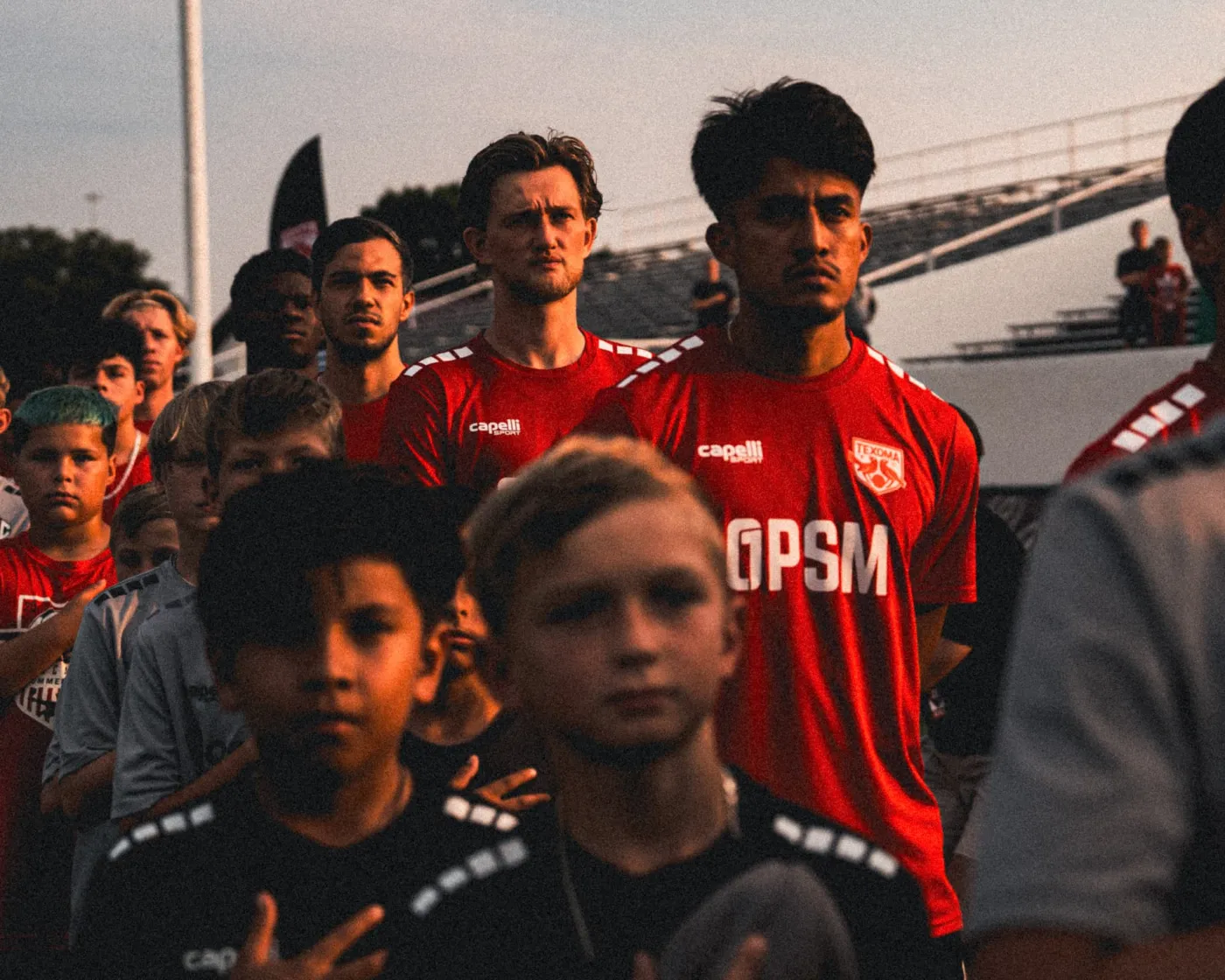
How to Build a Soccer Development Plan That Leads to Real Progress
A practical framework for turning ambition into clear priorities, consistent work, and measurable improvement.
Every ambitious player wants to improve, but improvement becomes difficult when the goal is only to become better. That idea may provide motivation, yet it does not explain what needs attention, how progress will be measured, or what the player should do next.
A soccer development plan gives direction to the work. It connects the player's current level with specific priorities and creates a realistic process for improvement. The plan does not need to be complicated. It needs to be honest, focused, and flexible enough to change as the player develops.
Begin With an Honest Evaluation
Development starts with understanding the player as they are today. That requires more than listing strengths and weaknesses. Players should consider technical ability, tactical awareness, physical readiness, communication, decision making, consistency, and response to pressure.
Full match footage can be especially useful because it captures both ordinary and successful moments. A highlight video may confirm what a player does well. Still, a complete match can reveal positioning, movement away from the ball, defensive reactions, and choices made when the game becomes difficult.
Feedback should come from people who understand the player's environment. A coach may identify tactical habits. A performance professional may notice movement or recovery needs. The player should also contribute because development becomes more meaningful when the athlete understands and accepts the priorities.
Choose a Small Number of Priorities
Trying to improve everything at once often leads to unfocused work. A stronger plan identifies a small number of priorities that can receive regular attention. These priorities should be important to the player's position, current role, and next level.
A wide player may focus on receiving under pressure, making earlier decisions, and improving defensive positioning. A central defender may prioritize body position, communication, and passing through pressure. The exact priorities will differ, but each one should be clear enough to guide training.
Players should understand why each priority matters. When a goal is connected to real match situations, practice feels purposeful. The player is no longer repeating an exercise simply because it looks useful. The player knows which problem the work is intended to solve.
Turn Goals Into Weekly Actions
A development goal becomes practical when it changes what the player does during the week. If scanning is a priority, the plan may include video review, specific awareness cues during team training, and an individual exercise that requires decisions before receiving the ball.
Weekly actions should fit around team commitments, school, recovery, and personal responsibilities. More work is not always better work. A realistic plan leaves enough time for rest and allows the player to complete each session with concentration and good technique.
The best actions are repeatable. A short, focused session completed consistently can be more valuable than an exhausting session attempted occasionally. Quality, purpose, and regularity create a stronger foundation than volume without direction.
Measure What the Game Reveals
Progress should be evaluated in the context of performance. A player may complete a technical exercise successfully but still struggle to use the skill under pressure. Match footage, coach observations, and the player's own reflections can show whether training is transferring into competition.
Measurements do not always need to be numerical. A player can track whether decisions are made earlier, whether the weaker foot is used with greater confidence, or whether positioning remains reliable late in a match. When statistics are available and relevant, they can add context, but they should not replace informed observation.
Review the plan regularly. If a priority has improved, the next challenge can receive more attention. If progress has stalled, the method may need to change. Adjustment is not evidence that the plan failed. It is evidence that the player is responding thoughtfully.
Keep Development Connected to Enjoyment
Serious players need discipline, but development should not remove every source of enjoyment from the game. Creativity, competition, and curiosity help players stay engaged. A useful plan creates structure without making every touch feel like a test.
OPSM Connect helps players organize their profile, video, opportunities, and development journey in one place. When clear information is combined with consistent work and trusted guidance, progress becomes easier to understand. Talent creates possibility, but a thoughtful development plan gives that possibility a direction.
CONNECT BEYOND THE TOUCHLINE
Related Articles
Why Player Management Matters at Every Stage of a Soccer Career
The right support can bring structure, perspective, and direction to an increasingly complex journey.
Your Player Profile Is Your First Impression
How to present your ability, experience, and ambition clearly to coaches and scouts.
How to Prepare for a Soccer Showcase and Make the Opportunity Count
What players should do before, during, and after a showcase to create a professional impression.