
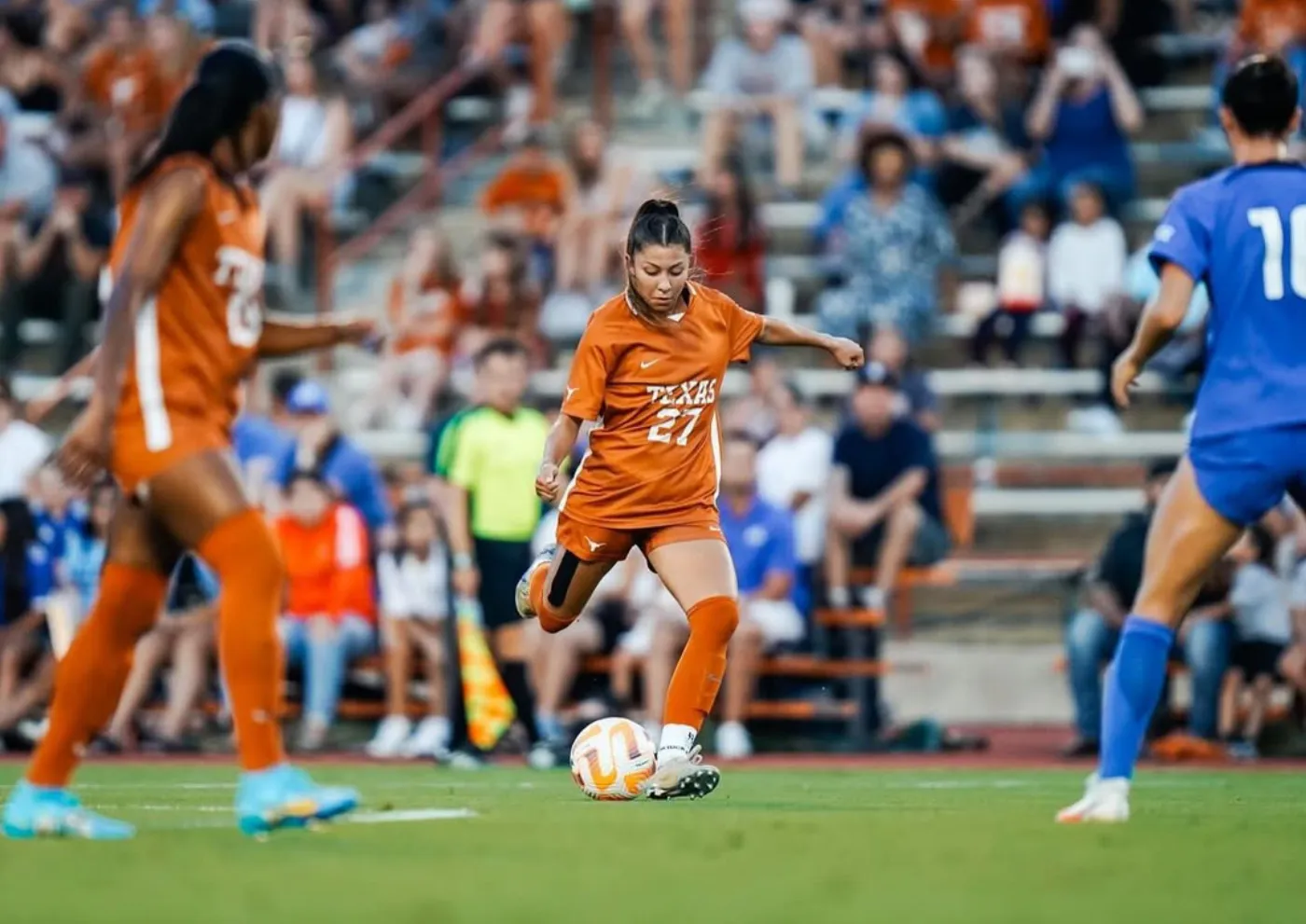
How to Get Recruited for College Soccer: A Practical Guide for Players
A clear look at the college soccer recruiting process and the actions that help players become visible.
Learning how to get recruited for college soccer can feel confusing because there is no single route that every player follows. Some players are identified at major tournaments. Others are seen at a soccer showcase, an identification camp, or a club match. Many create their own opportunities by contacting college soccer coaches and presenting their information professionally.
The college soccer recruiting process is competitive, but it becomes easier to manage when players understand what coaches need and take consistent action. Recruitment is not only about being talented. It is also about finding the right competitive level, meeting academic requirements, communicating clearly, and making it simple for a coach to evaluate you.
Start With an Honest Evaluation
Before contacting programs, players should develop a realistic understanding of their current level. That does not mean limiting ambition. It means using accurate information to identify schools where the player can genuinely compete and develop.
Speak with coaches who understand the college game. Ask how your technical ability, athletic qualities, tactical awareness, and consistency compare with players already competing at different collegiate levels. Review full match footage rather than relying only on your best moments. The goal is to build a school list that includes realistic options while still leaving room for ambitious choices.
A player who contacts only famous Division I programs may miss excellent opportunities in Division II, Division III, the NAIA, junior colleges, U SPORTS, or the Canadian Collegiate Athletic Association. The right program is the one that fits the player academically, athletically, financially, and personally.
Build a Complete Soccer Recruiting Profile
A soccer recruiting profile gives coaches a quick way to understand who you are. It should include your name, graduation year, position, current club, location, academic information, playing experience, achievements, video, and reliable contact details.
Clarity matters more than decoration. Coaches should be able to find the essential information within moments. Keep every detail accurate and update the profile as your situation changes. An old club, broken video link, or incorrect graduation year can make a profile appear neglected.
Your biography should explain your playing style and goals in specific language. Instead of only describing yourself as hardworking, explain what you contribute. A fullback might highlight recovery speed, one against one defending, and the ability to support attacks. A midfielder might describe scanning, passing range, and comfort receiving under pressure.
Create Video That Helps Coaches Evaluate You
A strong highlight video is one of the most useful parts of college soccer recruiting. Begin with clips that show your best position specific qualities. Identify yourself clearly before each play and keep the footage focused on match actions.
The video should show decisions as well as outcomes. Coaches want to see how you create an advantage, solve pressure, defend space, combine with teammates, and react when a play changes. Excessive effects and long introductions take attention away from the soccer.
Be prepared to share full match footage as well. Highlights can earn an initial review, but a full match shows consistency, positioning, movement without the ball, communication, and response to mistakes.
Research Programs Before Contacting Coaches
Effective recruiting starts with research. Look at the program's roster, recent results, style of play, academic courses, location, cost, and coaching staff. Consider whether the team will need players in your position during your expected entry year.
This research helps you write a more personal message. It also protects you from chasing an opportunity that does not fit your education or development. A college decision affects much more than soccer, so the school itself needs to make sense.
Organize programs into groups based on fit and interest. Review the list regularly as coaches respond, rosters change, and new information becomes available.
Contact College Soccer Coaches Professionally
Players should not assume that coaches will find them automatically. Send a concise message that introduces who you are, explains why the program interests you, and provides a direct link to your soccer recruiting profile and video.
Personalization is important. A coach is more likely to take the message seriously when the player demonstrates genuine knowledge of the school and team. Avoid sending the same paragraph to a large number of programs.
If a coach does not respond, follow up politely after an appropriate period. Coaches manage training, matches, travel, administration, and many recruiting conversations. One respectful follow up can bring the message back to their attention. Repeated daily messages are unlikely to help.
Prepare for Every Evaluation Opportunity
A soccer showcase or identification camp can be valuable when the right coaches are attending, and the event matches your level. Contact relevant programs before the event, share your schedule, and make sure your profile is complete.
During the event, focus on playing your normal game well. Coaches are evaluating decision making, effort, tactical understanding, communication, and behaviour. Trying to create a spectacular moment on every touch can make a player less effective.
After the event, thank coaches who watched you and provide any useful updates. Recruitment usually develops through several points of contact rather than one performance.
Keep Academics at the Centre of the Process
College soccer coaches need players who can meet admission and eligibility requirements. Strong grades increase the number of programs available and may create access to academic financial support.
Players pursuing NCAA Division I or Division II should understand the NCAA Eligibility Center process. Other associations have separate requirements, so confirm current rules through official sources.
OPSM Connect brings profiles, video, academic information, opportunities, events, and communication into one place. Recruitment still requires ability and consistent work, but a clear system helps make sure that effort is visible.
CONNECT BEYOND THE TOUCHLINE
Related Articles
Understanding Collegiate Soccer in North America
A practical guide to the pathways, expectations, and decisions that shape the collegiate journey, from NCAA, NAIA, and junior college routes to U SPORTS and the CCAA.

How to Email College Soccer Coaches and Get a Meaningful Response
A professional approach to coach outreach that is concise, personal, and easy to evaluate.

College Soccer Scholarships: What Players and Families Need to Know
A realistic guide to athletic aid, academic support, total cost, and finding the right college fit.