
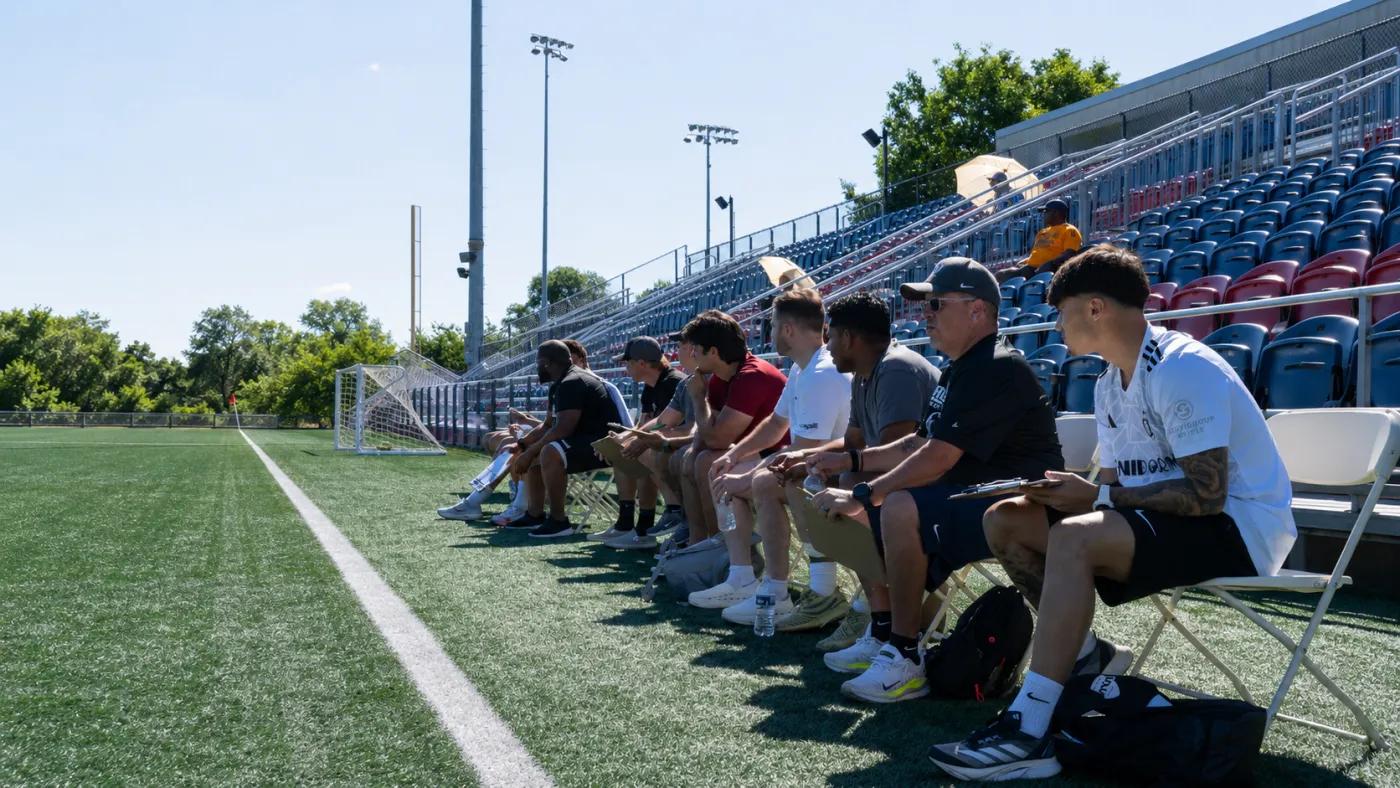
How the Soccer Scouting Process Really Works
A clear look at identification, evaluation, follow up, and the decisions that happen before an opportunity is offered.
The soccer scouting process is often imagined as one decisive moment. A scout attends a match, notices a talented player, and immediately creates an opportunity. That can happen, but most serious evaluation involves more context, more communication, and more than one opinion.
Scouts are trying to understand whether a player can meet the needs of a particular environment. Ability matters, but so do position, age, development potential, tactical fit, physical readiness, character, availability, and the current needs of the team. A strong performance can begin the conversation. It rarely answers every question.
Identification Starts With a Need
Scouting usually begins with the requirements of a club, school, academy, or program. The organization may be searching for a specific position, age group, playing profile, or level of experience. A talented player may not become a priority if the relevant role is already filled.
This explains why two scouts can watch the same player and reach different conclusions. They may be evaluating for different teams, systems, timelines, or standards. One may see an immediate fit, while another may believe the player needs more development. Neither view automatically defines the player's complete value.
Players should avoid treating every lack of interest as a final judgment. Recruitment depends on timing and need as well as quality. The better question is whether the player is continuing to develop and reaching environments where suitable evaluators can see the right information.
The First Viewing Creates Questions
During an initial viewing, a scout may form an early impression of the player's technical quality, movement, decisions, physical qualities, and involvement in the match. The purpose is often to decide whether further evaluation is worthwhile.
Context matters. The scout may consider the strength of the opposition, the player's role, the match situation, and the instructions of the coach. A winger asked to protect a lead may appear less adventurous than usual. A midfielder in a struggling team may receive fewer useful passing options. Evaluation requires attention to what the game is asking of the player.
Scouts also notice moments without the ball. Positioning, scanning, communication, defensive reaction, and movement to support teammates can show whether the player understands the game. These details often help an evaluator decide which questions to explore during another viewing.
Follow Up Adds Context
If the initial impression is promising, the scout may request full match footage, speak with a coach, review the player's history, or arrange another observation. The aim is to understand whether the performance reflects a reliable level.
Information should be accurate and easy to verify. A current profile, clear contact details, correct playing history, academic information when relevant, and useful video can support the process. Exaggerated claims or conflicting details create unnecessary doubt.
Players and families should also evaluate the person or organization making contact. A credible approach should include clear identification, a reasonable explanation of the interest, and professional communication. Questions about formal representation, contracts, or commitments should be reviewed with qualified professionals.
Several Opinions May Shape the Decision
A scout may recommend a player, but the final decision can involve coaches, technical directors, recruitment staff, academic staff, or other decision makers. Each person may consider the player from a different perspective.
One evaluator may focus on current performance. Another may consider how the player could develop over time. A coach may compare the player with people already in the squad. The process can therefore take longer than a player expects, even when the early feedback is positive.
Silence during this period can feel discouraging, but it does not always provide a clear answer. Players should continue training, communicating professionally, and considering other suitable opportunities rather than allowing one possible outcome to control the entire journey.
The Process Should Be Mutual
Evaluation is not only about whether the organization wants the player. The player should also understand the environment. Coaching style, development support, role, education, finances, location, and personal wellbeing all matter.
OPSM Connect helps players keep profiles, video, opportunities, and communication organized throughout the scouting process. Clear information cannot guarantee selection, but it helps genuine ability receive a fairer evaluation. Scouting is not magic. It is a process of gathering evidence, understanding fit, and deciding whether the next step makes sense for everyone involved.
CONNECT BEYOND THE TOUCHLINE
Related Articles
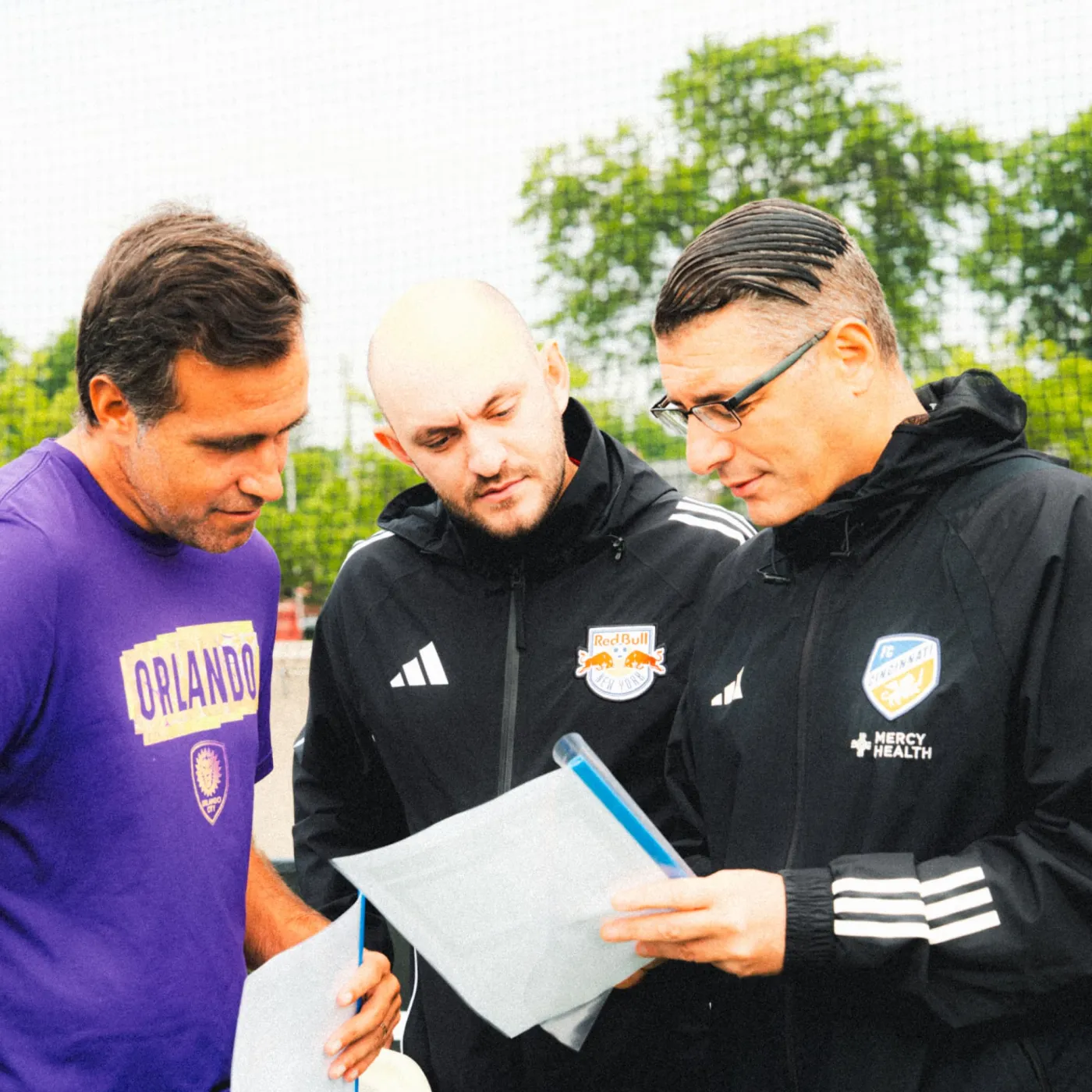
What Coaches and Scouts Notice Beyond the Highlight Reel
Talent earns attention, but the complete player is evaluated through decisions, habits, character, and consistency.

How Soccer Scouting Changes by Position
Why goalkeepers, defenders, midfielders, wide players, and forwards are evaluated through different responsibilities.
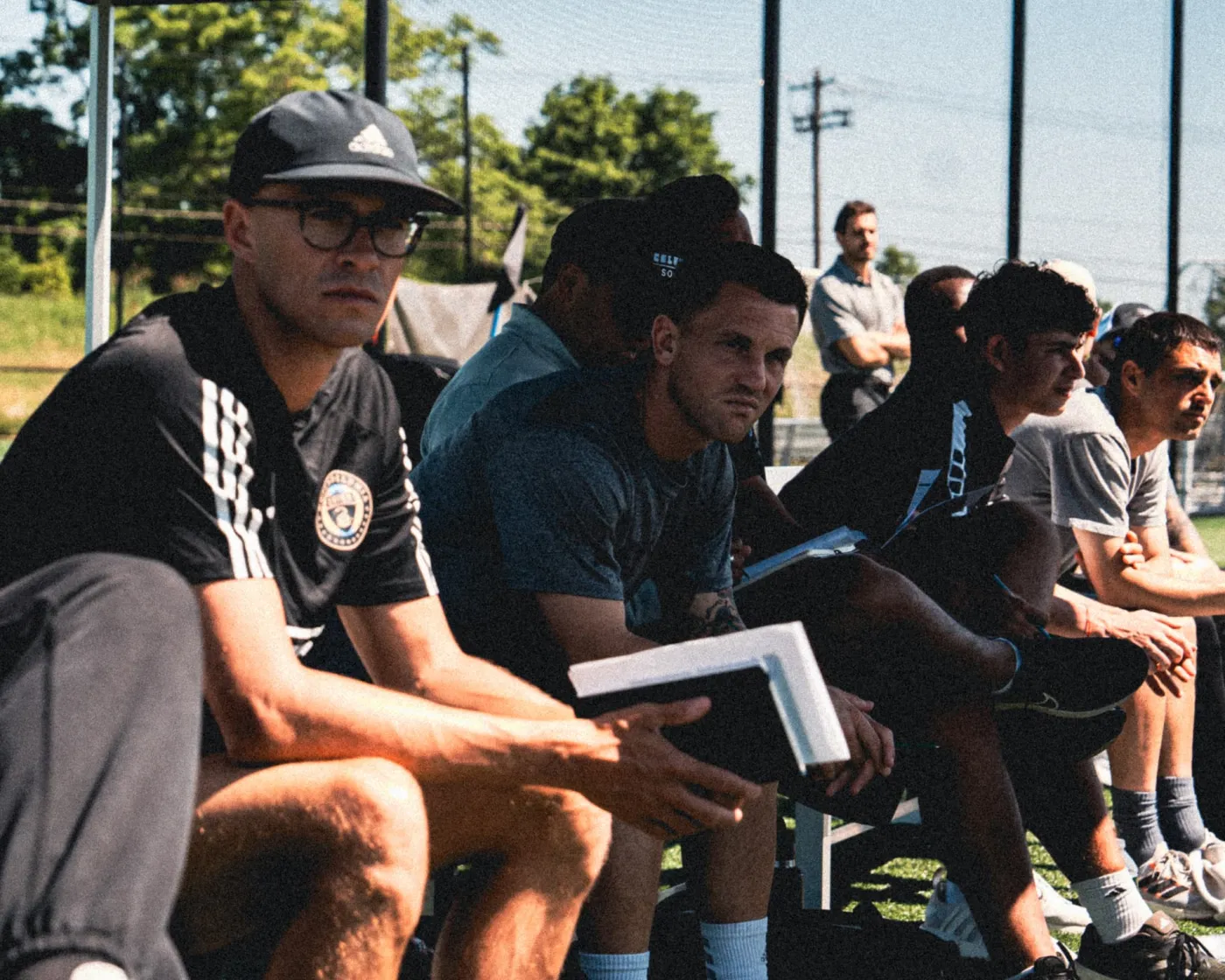
Why Scouts Watch Players More Than Once
How consistency, context, development, and repeated evaluation create a more reliable picture of a player.