
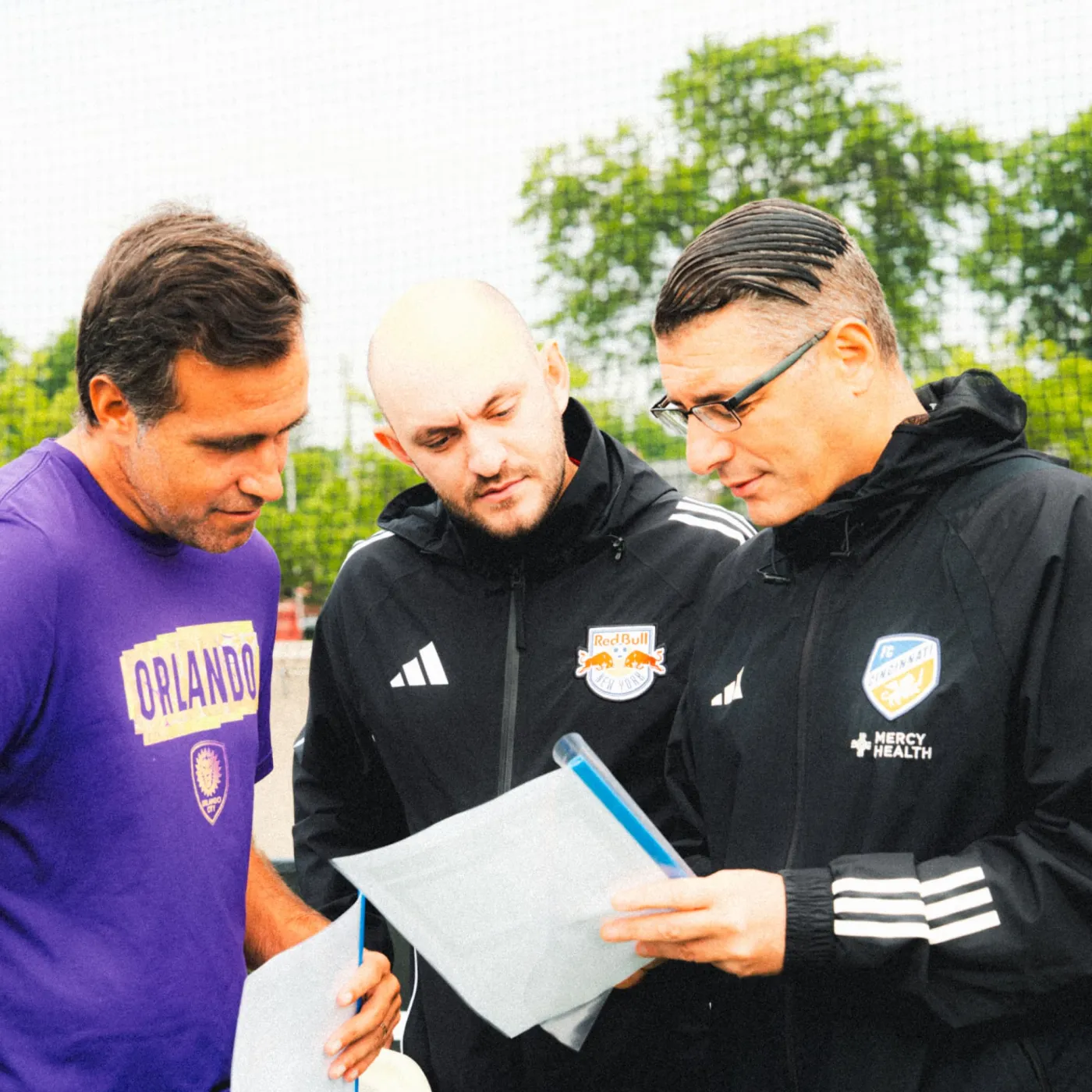
What Coaches and Scouts Notice Beyond the Highlight Reel
Talent earns attention, but the complete player is evaluated through decisions, habits, character, and consistency.
A highlight reel is designed to show a player at their best. It can introduce technical quality, athletic ability, creativity, and important match actions within a few minutes. For coaches and scouts, however, it is usually the beginning of an evaluation rather than the conclusion.
The most valuable questions often appear between the highlights. How does the player react after losing the ball? What happens when the team is under pressure? Does the player understand space? Can the player follow instructions, communicate with teammates, and make useful decisions without being directly involved in the action?
Talent attracts attention. The qualities surrounding that talent often determine whether the interest continues.
Decision Making Under Pressure
Soccer moves too quickly for every action to be planned. Players must constantly read the field, recognize options, and choose what the moment requires. Coaches observe whether a player knows when to play forward, when to keep possession, when to take a risk, and when to simplify.
A technically impressive action is valuable, but the correct simple decision can be just as important. Players who understand the purpose of an action are more reliable than players who only search for spectacular moments.
This is why full match footage and live evaluation matter. They reveal patterns. A single successful pass can appear in a highlight video. A full match shows whether the player consistently sees and executes that pass.
Movement Without the Ball
Most of a player's match is spent without the ball. Coaches watch positioning, scanning, support angles, defensive recovery, and the ability to create space for teammates.
A forward may be evaluated through the runs that move defenders even when the pass never arrives. A midfielder may be judged by how often they check their surroundings before receiving. A defender may stand out through early positioning that prevents danger before a tackle is needed.
These details are difficult to capture in a short collection of highlights, but they often reveal a player's tactical understanding.
Response to Mistakes
Every player makes mistakes. Coaches are often more interested in the response than the error itself. Does the player stop and show frustration, or immediately recover? Does the player blame a teammate, or stay connected to the next action? Can the player remain composed after a difficult moment?
A strong response shows maturity and competitive focus. Players who recover quickly help the team solve the problem in front of them. This quality becomes especially important at higher levels, where mistakes are punished quickly and emotional control can affect the entire group.
Coachability and Communication
Coaches want players who can receive information and apply it. Coachability does not mean agreeing silently with everything. It means listening, asking useful questions when necessary, and showing through action that feedback has been understood.
Communication is also evaluated in context. Some players are naturally vocal leaders, while others lead through consistency and awareness. What matters is whether the player contributes to the organization of the team. Clear information, encouragement, and accountability can improve the performance of everyone nearby.
Consistency and Competitive Habits
A strong performance can create interest, but consistency builds trust. Coaches want to know whether a player can maintain standards across different opponents, match situations, and periods of pressure.
Competitive habits appear in repeated actions. They include tracking a runner, preparing before receiving the ball, supporting a teammate, arriving ready to train, and maintaining concentration when the game is not flowing through the player's position.
These habits may not produce a dramatic clip, but they show whether a player can be trusted within a team structure.
Character Away From the Field
Recruitment is not based only on what happens during a match. Coaches may speak with club staff, teachers, advisors, and other people who know the player. They may review communication, academic responsibility, attendance, and public conduct.
A coach is considering who will enter the team environment, represent the program, travel with the group, and respond to challenges over an entire season. Respect, honesty, punctuality, and responsibility matter because they influence trust.
Players do not need to create a perfect image. They need to show that they are prepared to contribute to a demanding environment and continue learning.
Presenting the Complete Player
Players should use profiles and video to make their strongest qualities visible, but they should also understand what the next stage of evaluation may involve. A coach may request full matches, speak with references, ask about academics, or watch how the player interacts at an event.
OPSM Connect helps players bring these parts of their journey together. A complete profile can include playing information, video, achievements, academic details, goals, and references, giving coaches and scouts a more useful starting point for evaluation.
The highlight reel may open the door. The complete player gives a coach a reason to keep it open.
CONNECT BEYOND THE TOUCHLINE
Related Articles
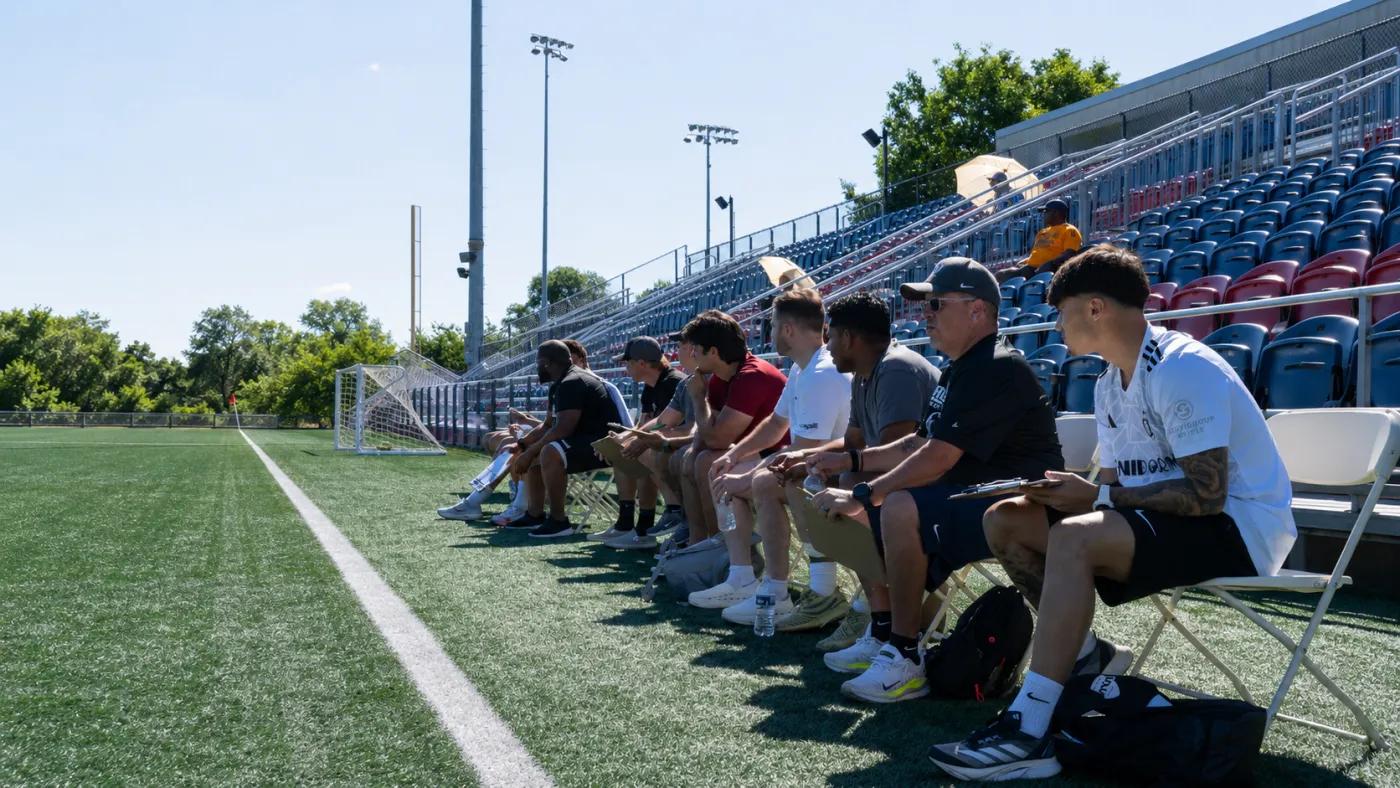
How the Soccer Scouting Process Really Works
A clear look at identification, evaluation, follow up, and the decisions that happen before an opportunity is offered.
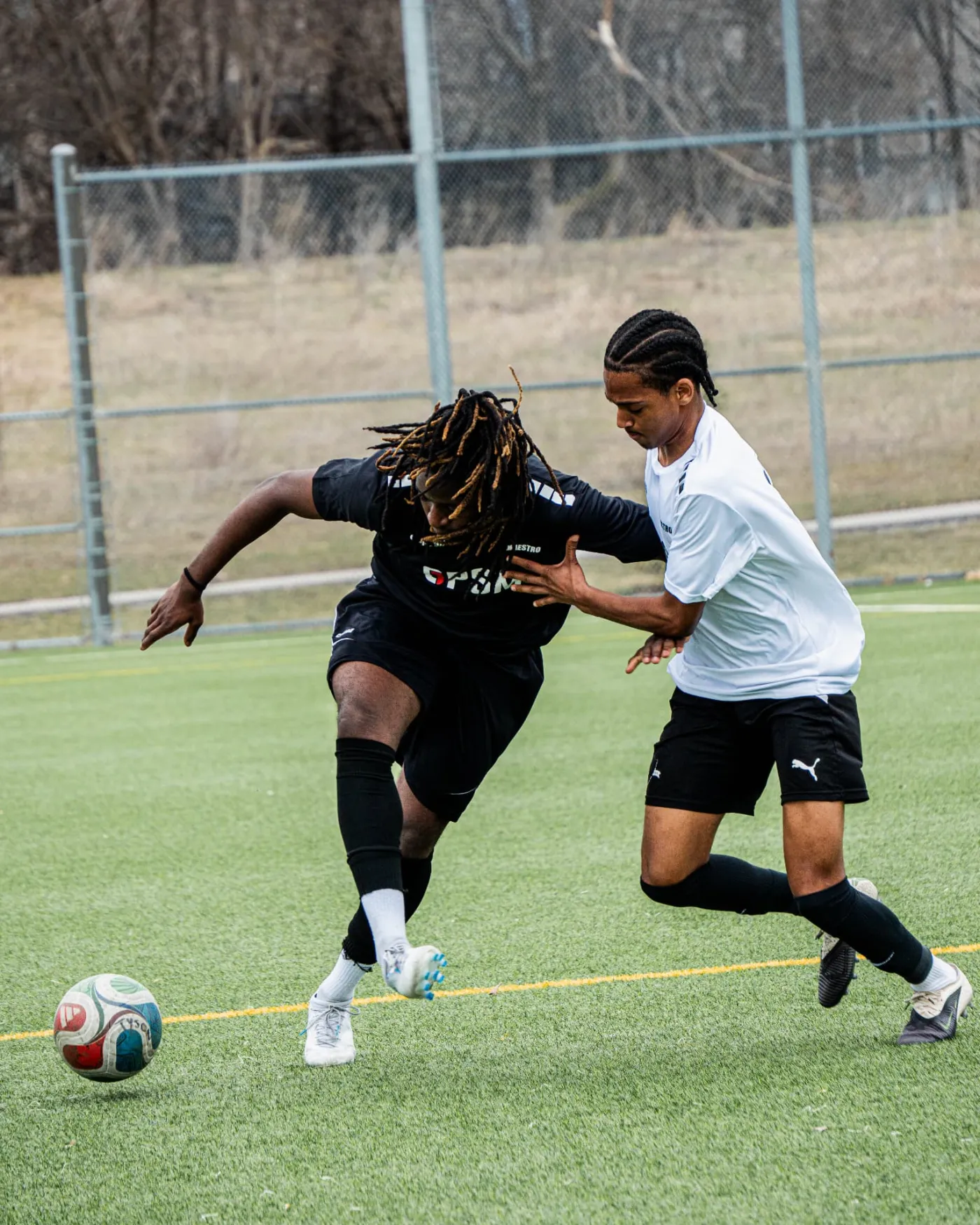
How Soccer Scouting Changes by Position
Why goalkeepers, defenders, midfielders, wide players, and forwards are evaluated through different responsibilities.
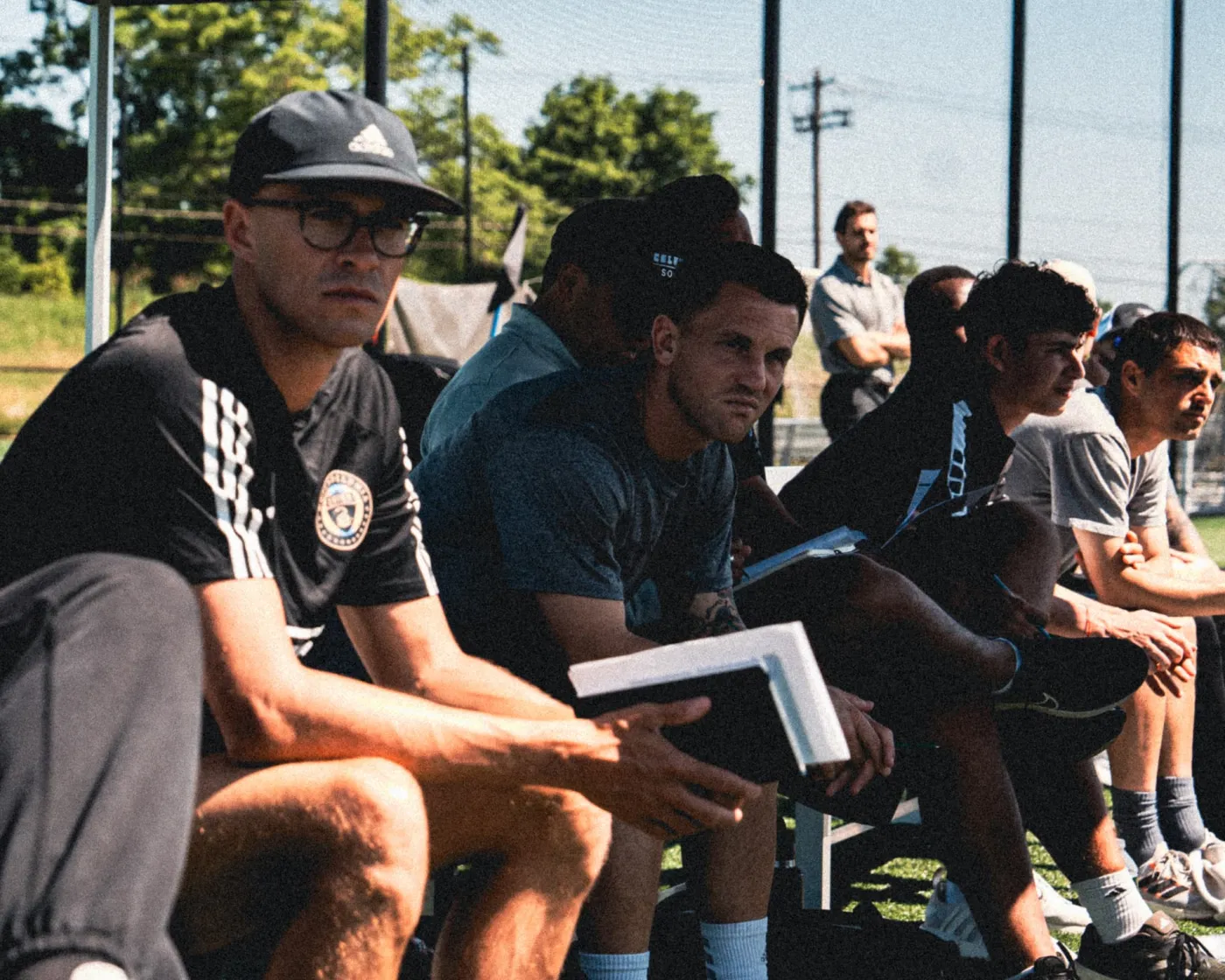
Why Scouts Watch Players More Than Once
How consistency, context, development, and repeated evaluation create a more reliable picture of a player.