

Why Scouts Watch Players More Than Once
How consistency, context, development, and repeated evaluation create a more reliable picture of a player.
One excellent match can create attention. It can show confidence, quality, and the ability to influence a competitive moment. Serious recruitment decisions, however, are often supported by several viewings because no single match can reveal everything about a player.
Performance changes according to opposition, role, fitness, tactics, and the state of the game. Repeated evaluation helps scouts separate a memorable moment from a dependable level. It also allows them to explore questions that appeared during the first observation.
Consistency Does Not Mean Perfection
Scouts do not expect a player to perform every action successfully. Consistency means that important qualities remain visible across different matches. A midfielder may continue to scan and offer support even when passing is less accurate. A defender may maintain good positioning after losing an early duel.
The evaluator is often interested in the player's normal level. An outstanding performance shows the upper possibility, while an average performance may show the habits available every week. Both can be useful.
Mistakes also provide evidence. A scout may watch whether the player recovers concentration, communicates, and makes a better decision the next time. Reliable players are not players who never struggle. They are players whose response helps restore performance.
Different Opponents Reveal Different Qualities
A player may dominate when given space but struggle when pressed quickly. Another may perform well in a physical match but find it difficult when the opposition moves the ball patiently. Several viewings expose the player to different problems.
Scouts may intentionally compare performances against stronger opposition, different formations, or unfamiliar roles. The purpose is not to catch the player failing. It is to understand which environments support the player's strengths and which areas require development.
Adaptability can be valuable. A player who recognizes a new problem and changes decisions during the match shows tactical awareness. The adjustment does not need to be dramatic. It may involve receiving in a different space, releasing the ball earlier, or changing the timing of pressure.
Role and Instructions Affect Performance
The same player can appear different according to the instructions of the coach. A fullback may be asked to attack regularly in one match and remain conservative in another. A forward may lead the press or protect a central passing lane.
Repeated observation helps the scout understand whether changes in output reflect the player's decision or the team's plan. Conversations with coaches and review of footage can add context when the role is unclear.
Players should focus on carrying out responsibilities rather than trying to impress an observer with actions that damage the team. A scout is more likely to value a player who understands the match than one who abandons the role to seek attention.
Development Can Be Seen Over Time
Some recruitment decisions are based on what a player can contribute now. Others consider what the player may become. Viewing the player over several months can reveal whether feedback is being applied and whether important weaknesses are improving.
Growth is rarely perfectly smooth. A player may perform well, struggle during a transition, and then establish a stronger level. The direction of development can be as informative as the starting point.
Accurate records and current footage help evaluators follow that progress. Players do not need to create a new identity after every improvement. They need to ensure that the information being shared no longer represents a much earlier stage.
Character Appears in Repeated Moments
One match may not show how a player behaves when not selected, when the team loses, or when a teammate makes a mistake. Repeated contact can reveal communication, punctuality, respect, response to coaching, and contribution to the group.
Character should not be judged through one emotional reaction without context. Players are human and competitive matches create pressure. Scouts look for patterns and consider whether the player's behaviour supports a demanding team environment.
OPSM Connect helps players maintain current profiles, video, opportunities, and communication throughout a longer evaluation process. Repeated scouting can feel uncertain, but it also gives the player more than one chance to be understood. The strongest impression is often not one perfect match. It is a clear pattern of quality, growth, and dependable behaviour.
CONNECT BEYOND THE TOUCHLINE
Related Articles

What Coaches and Scouts Notice Beyond the Highlight Reel
Talent earns attention, but the complete player is evaluated through decisions, habits, character, and consistency.
How the Soccer Scouting Process Really Works
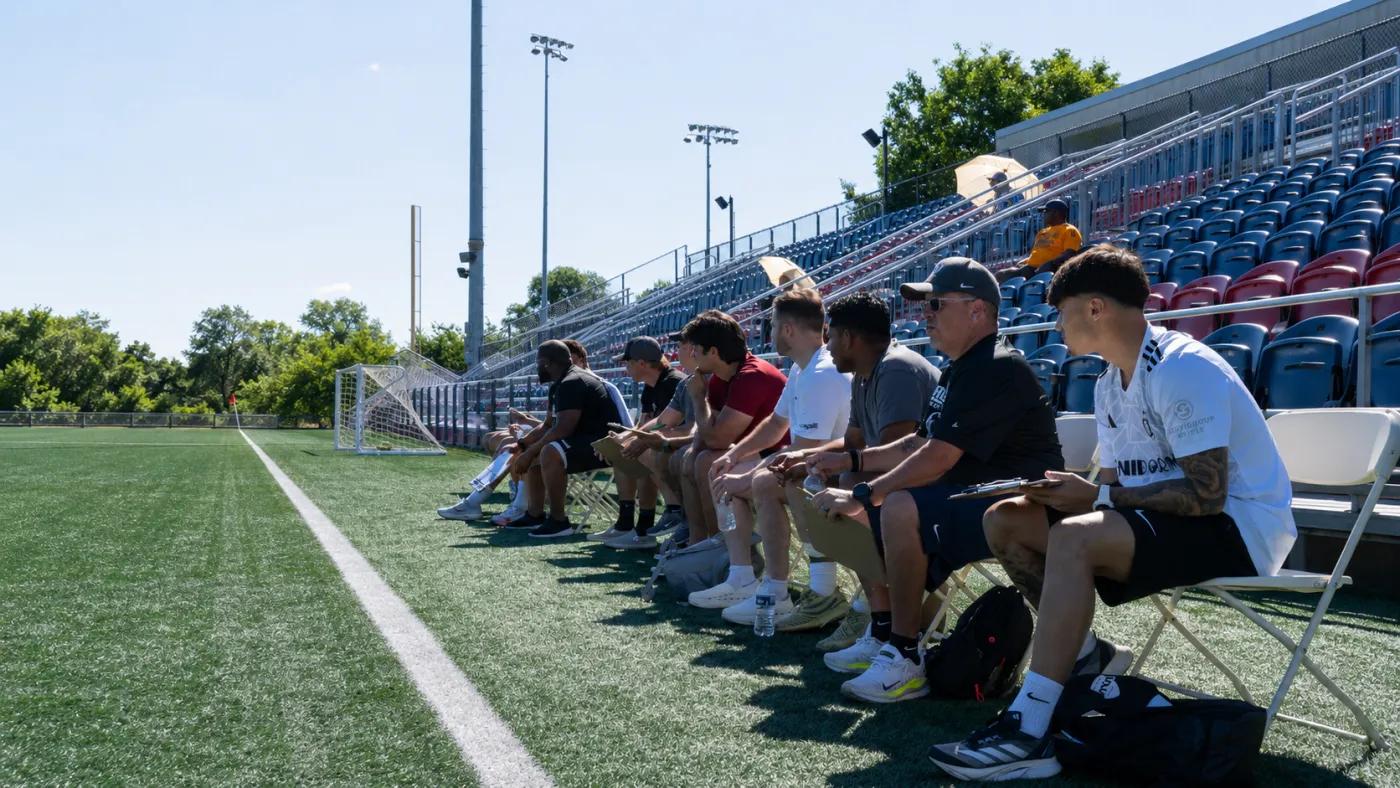
A clear look at identification, evaluation, follow up, and the decisions that happen before an opportunity is offered.
How Soccer Scouting Changes by Position
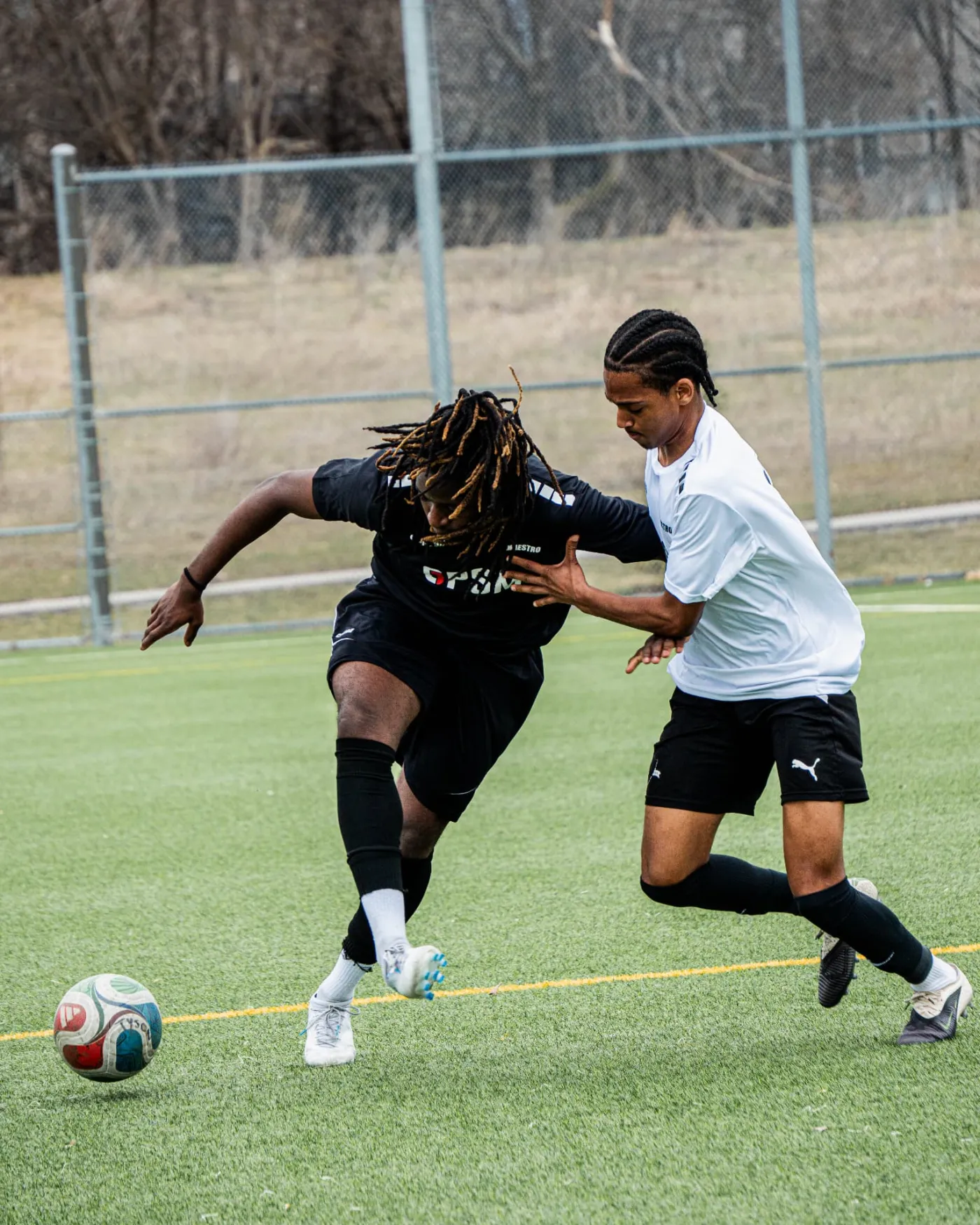
Why goalkeepers, defenders, midfielders, wide players, and forwards are evaluated through different responsibilities.