
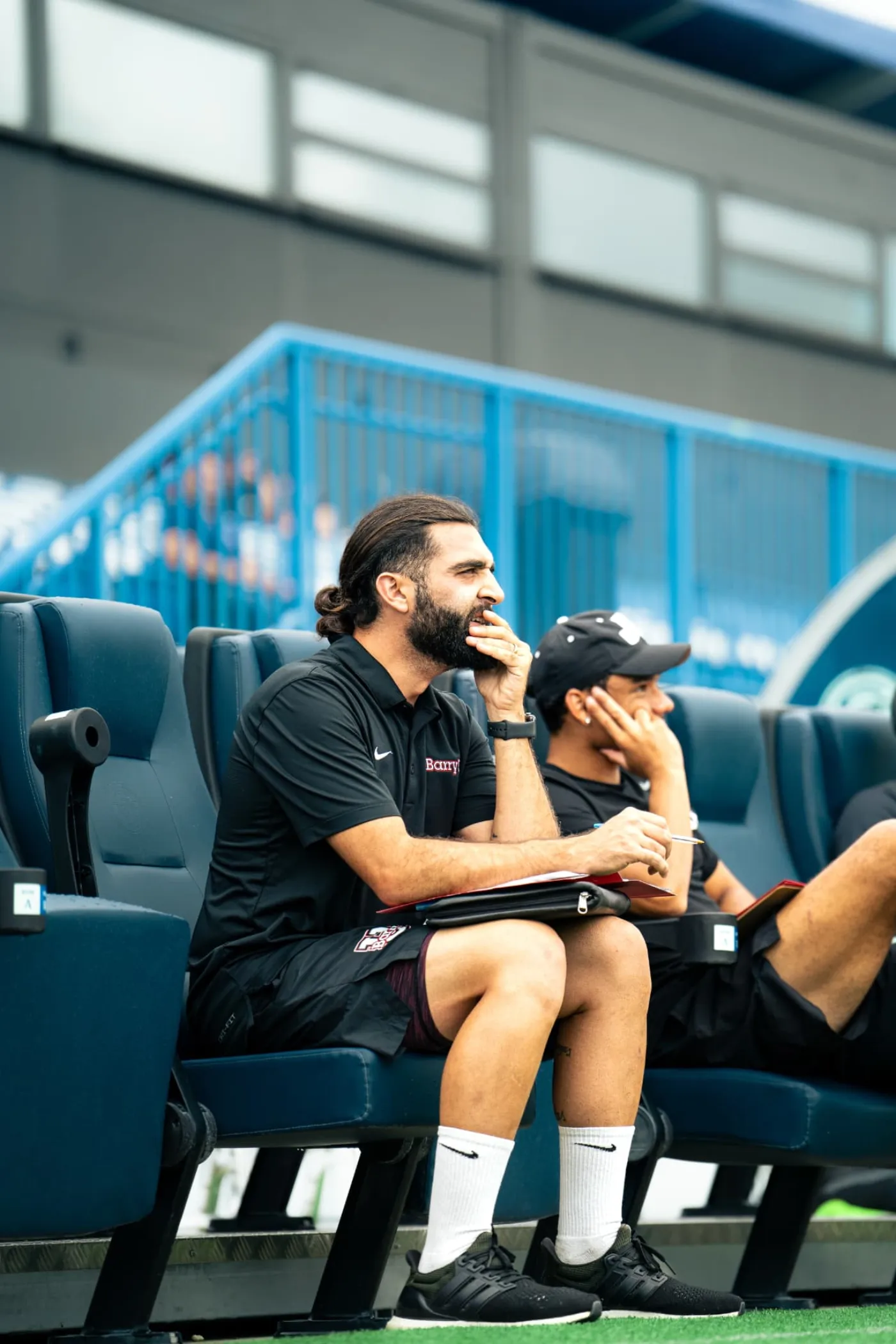
How to Prepare for a Scout Evaluation Without Forcing the Game
Practical ways to arrive ready, perform your role, communicate well, and respond professionally after the match.
Learning that a scout will attend a match can create excitement and pressure. Players may feel that every touch must be exceptional or that one mistake will remove the opportunity. That mindset can pull attention away from the game and lead to decisions the player would not normally make.
The purpose of preparation is not to create a different version of the player for one day. It is to make the player's genuine level easier to show. Good preparation reduces distractions, clarifies responsibilities, and allows the athlete to focus on the next action.
Confirm the Opportunity
Understand who is expected to attend, which organization the person represents, and how the evaluation was arranged. Information should come through a trusted coach, event organizer, advisor, or verified professional contact.
Players and families should be careful with vague promises or requests that require unusual payments, personal documents, or immediate commitments. A legitimate opportunity should have clear details and professional communication. Formal agreements and representation matters should be reviewed with qualified professionals.
Know the match time, location, arrival expectation, kit, and any information that needs to be shared. Solving these details early prevents avoidable stress on the day.
Prepare the Normal Routine
Players should follow the preparation habits that usually support performance. Appropriate sleep, regular meals, hydration, equipment checks, and timely arrival help the body and mind feel familiar with the occasion.
An extreme session before the match will not create a new level overnight. Extra training can produce fatigue and reduce sharpness. The player should trust the work completed over previous weeks and respect the schedule established by the coaching staff.
If nerves appear, return attention to simple tasks. Organize equipment, review the team role, complete the usual warmup, and listen to the coach. Familiar actions can make the event feel more manageable.
Play the Position Honestly
Scouts evaluate how players understand and perform their roles. A defender who attempts unnecessary dribbles or a midfielder who forces ambitious passes may attract attention for the wrong reasons.
The player should make the decisions the game requires. Simple passes, intelligent movement, communication, defensive work, and support for teammates all provide useful evidence. Not every valuable action needs to become a highlight.
Ambition still matters. Players should attack a genuine opportunity when it appears. The difference is that the action comes from reading the match rather than trying to prove something with every touch.
Respond to the Difficult Moments
A misplaced pass, lost challenge, or missed chance does not end an evaluation. Scouts know that errors are part of soccer. The response may show concentration, resilience, and understanding.
Recover into position, communicate, and remain available for the next action. Avoid blaming teammates or allowing frustration to control the following minutes. One mistake becomes more damaging when it creates several additional mistakes.
After the match, reflection can identify what went well and what should improve. The player should avoid judging the entire performance through one moment, whether that moment was positive or negative.
Communicate Professionally Afterward
If follow up is appropriate, keep the message concise and respectful. Thank the evaluator for attending, provide any requested information, and make sure profile and video links work. Avoid demanding an immediate answer.
No response does not always explain the decision. The organization may still be comparing players or may have changed its needs. Continue exploring suitable opportunities and maintain normal development rather than pausing everything for one possible outcome.
OPSM Connect keeps profiles, video, events, communication, and opportunities organized throughout the scouting journey. Preparation cannot guarantee a decision, but it can protect the player from unnecessary pressure. The most convincing performance is usually the one in which the player understands the role, supports the team, and allows real ability to appear naturally.
CONNECT BEYOND THE TOUCHLINE
Related Articles
What Coaches and Scouts Notice Beyond the Highlight Reel
Talent earns attention, but the complete player is evaluated through decisions, habits, character, and consistency.
How the Soccer Scouting Process Really Works
A clear look at identification, evaluation, follow up, and the decisions that happen before an opportunity is offered.
How Soccer Scouting Changes by Position
Why goalkeepers, defenders, midfielders, wide players, and forwards are evaluated through different responsibilities.